The Core Principles
Let's go through the core principles that need to be followed in order to benefit from this course.
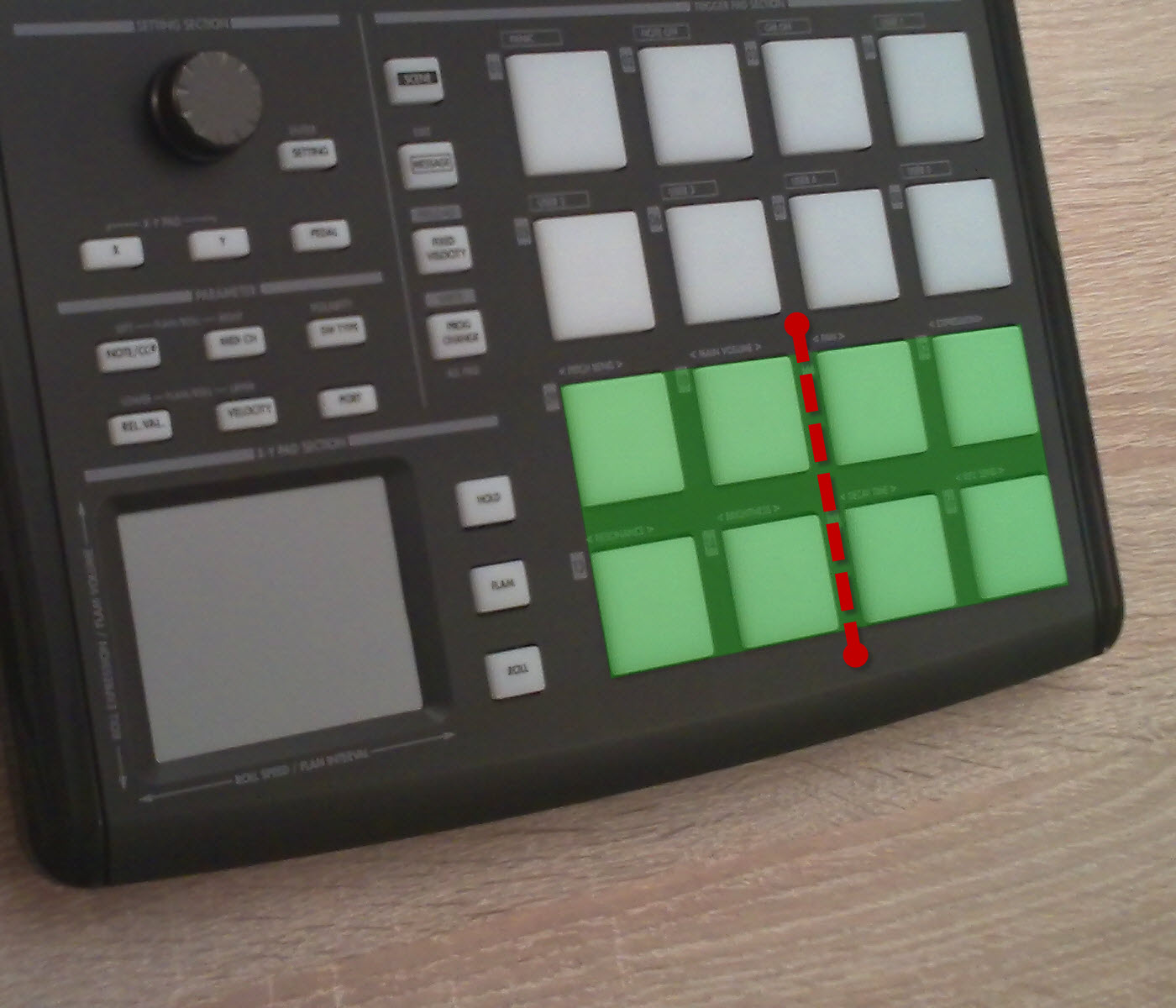
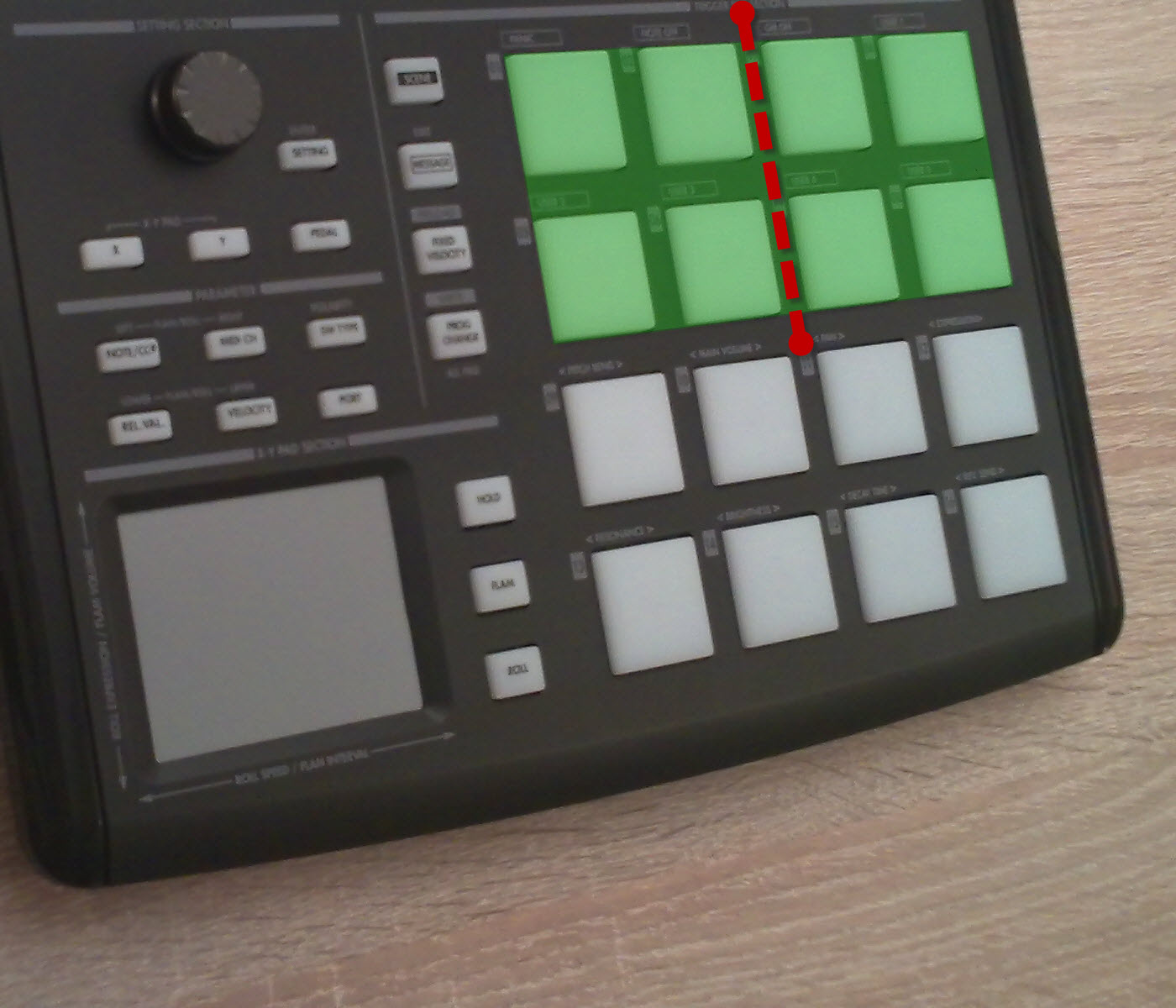
Instead of assigning sixteen kit pieces or sounds to the available sixteen pads on our pad controller — which is the standard pad controller layout for finger drumming that you will find worldwide — we have assigned only eight kit pieces and have mapped them by imagining a mirror that separates the eight left-hand pads from the eight right-hand pads. This makes visual and ergonomic sense.
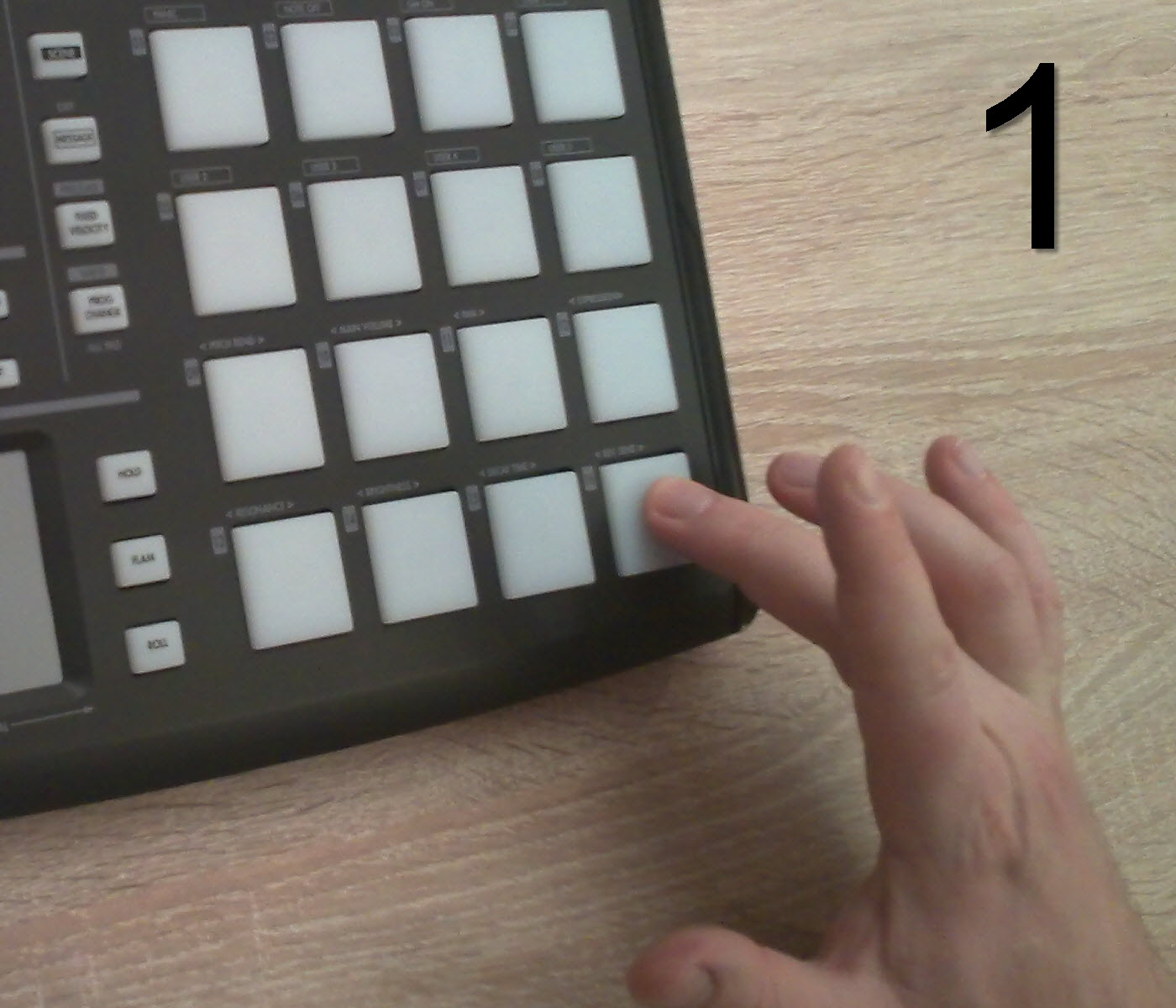
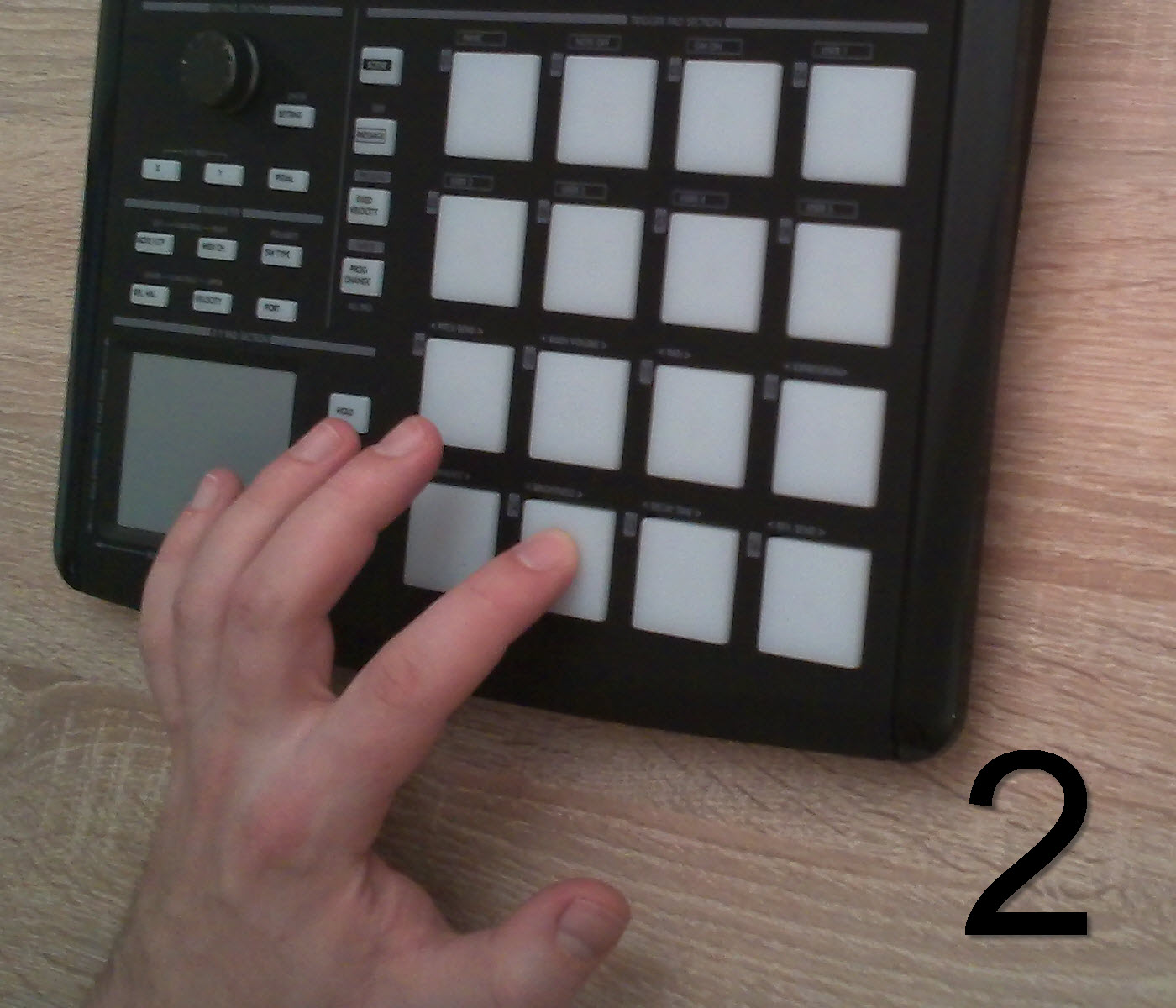
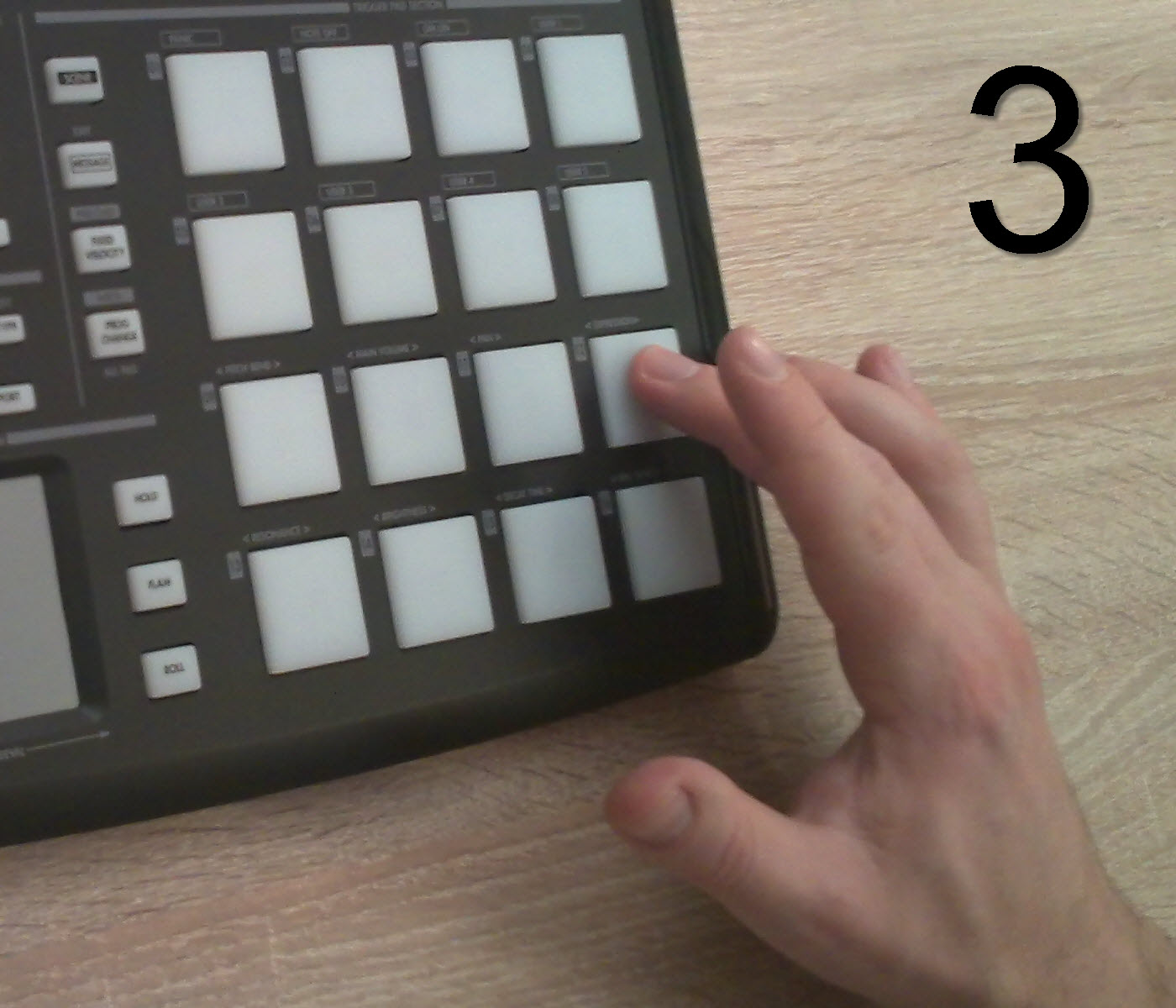
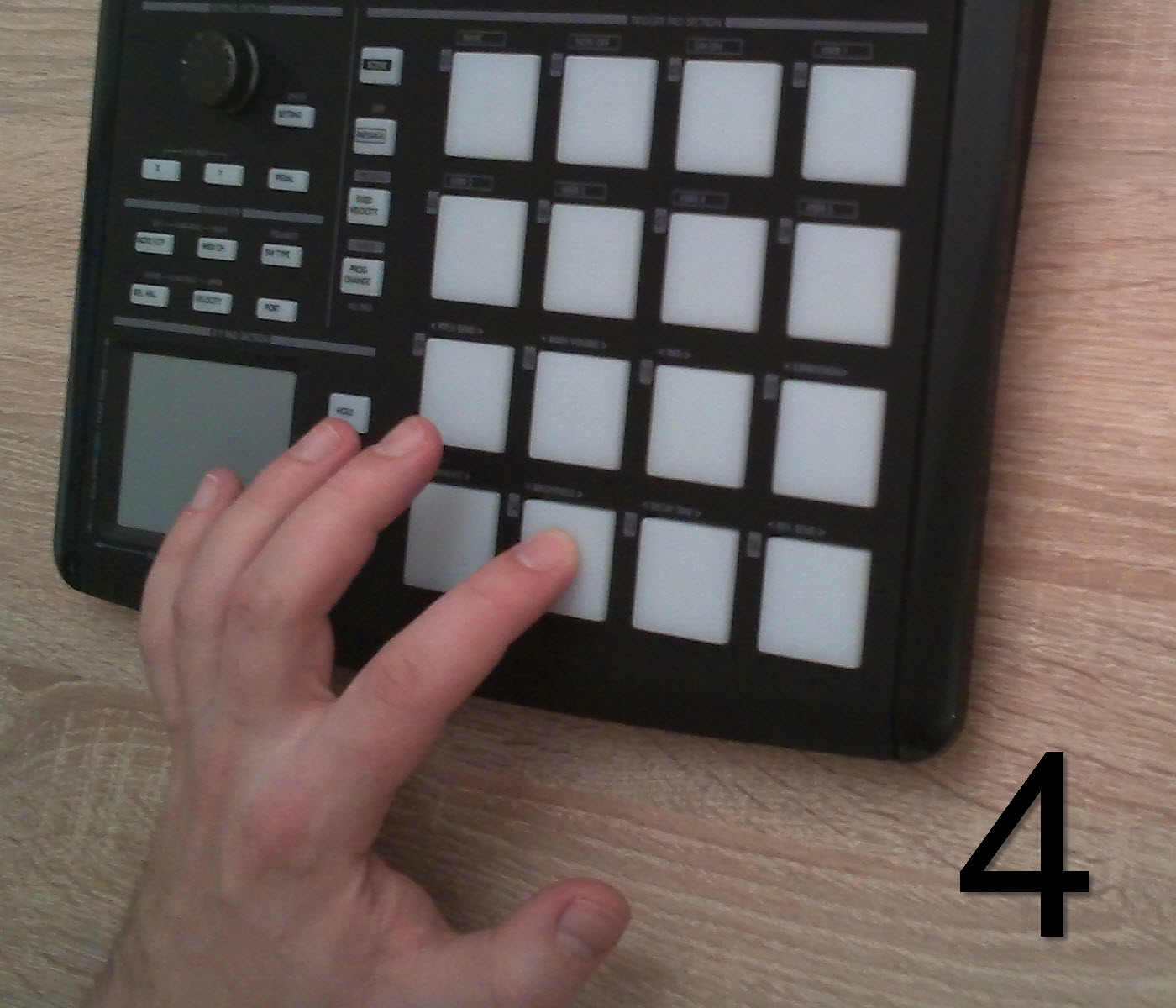
Each pad on the pad controller is small and touch-sensitive, ideally designed for single finger hits. By setting the rule that no pad will ever be played by two alternating fingers, we help our brains to simplify — therefore making the whole exercise much easier.
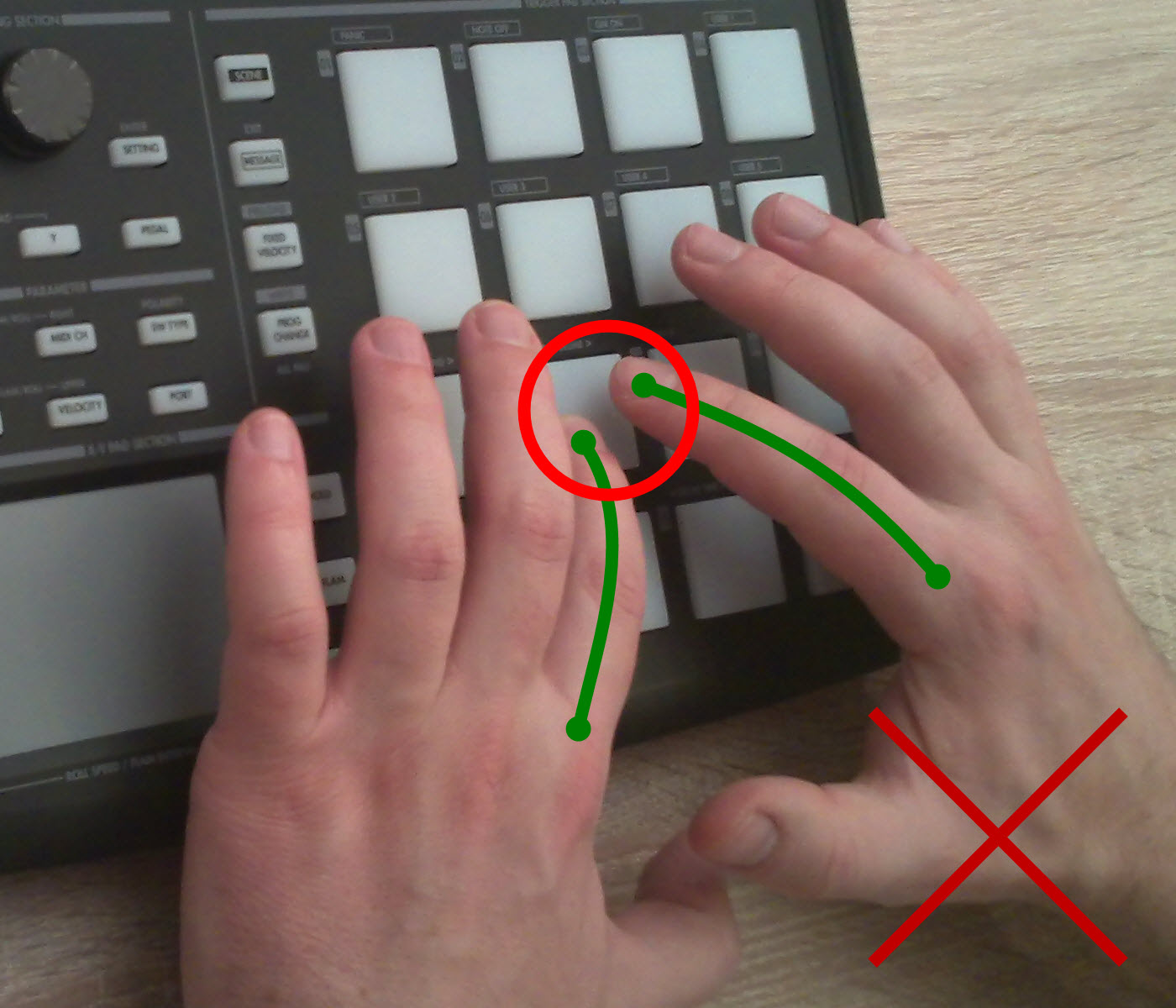
The index finger and the middle finger are each assigned to one specific vertical row of pads. There are only very few exceptions to this rule.
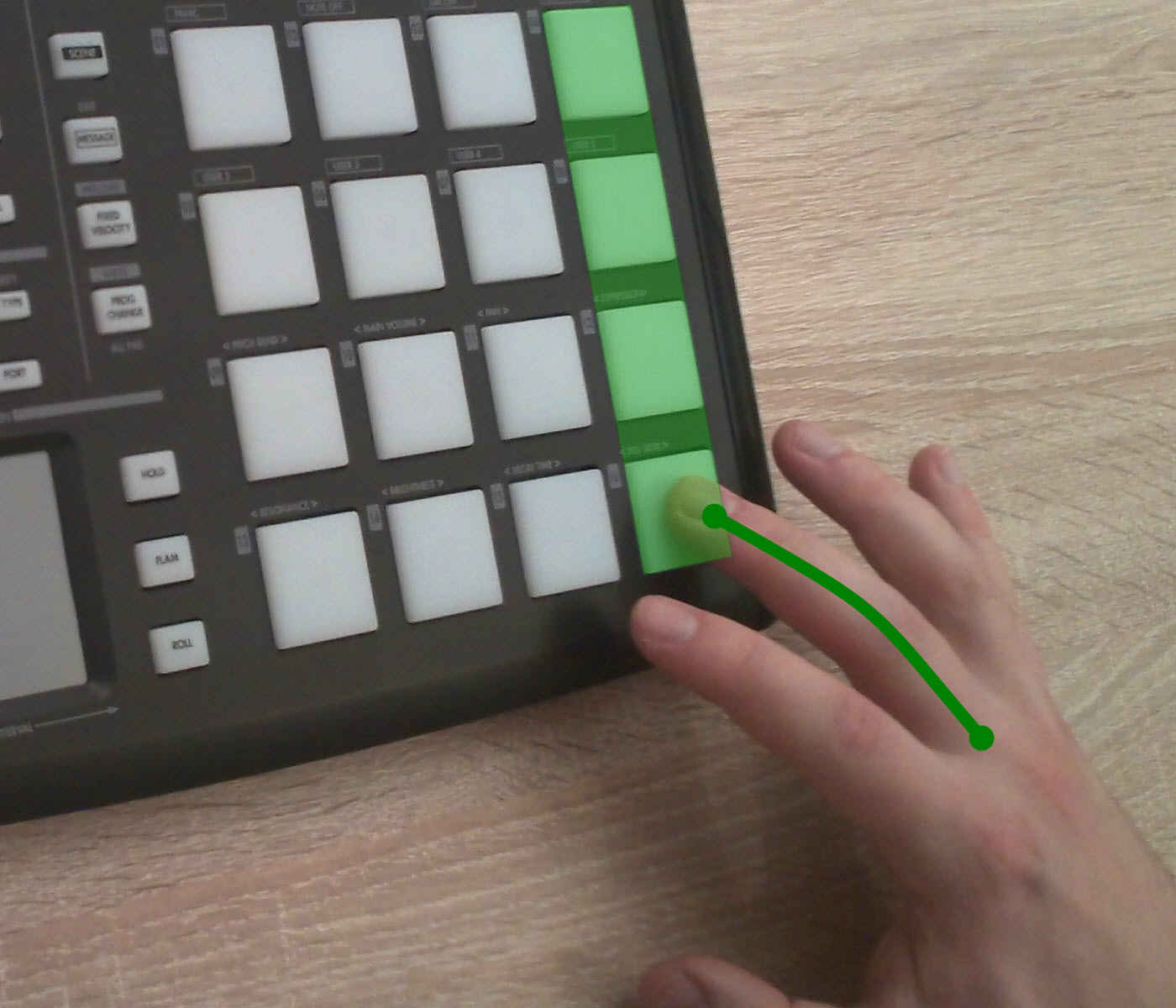
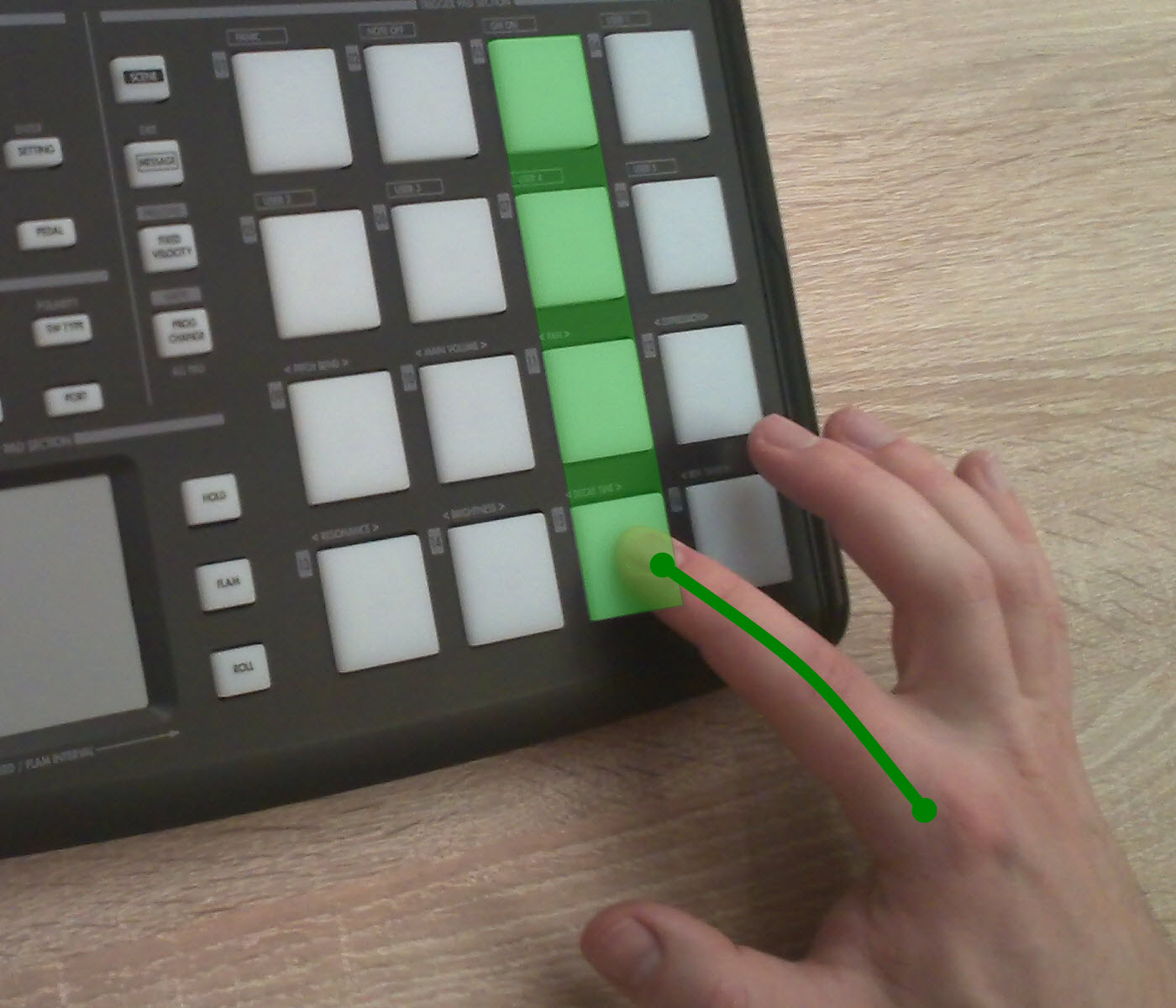
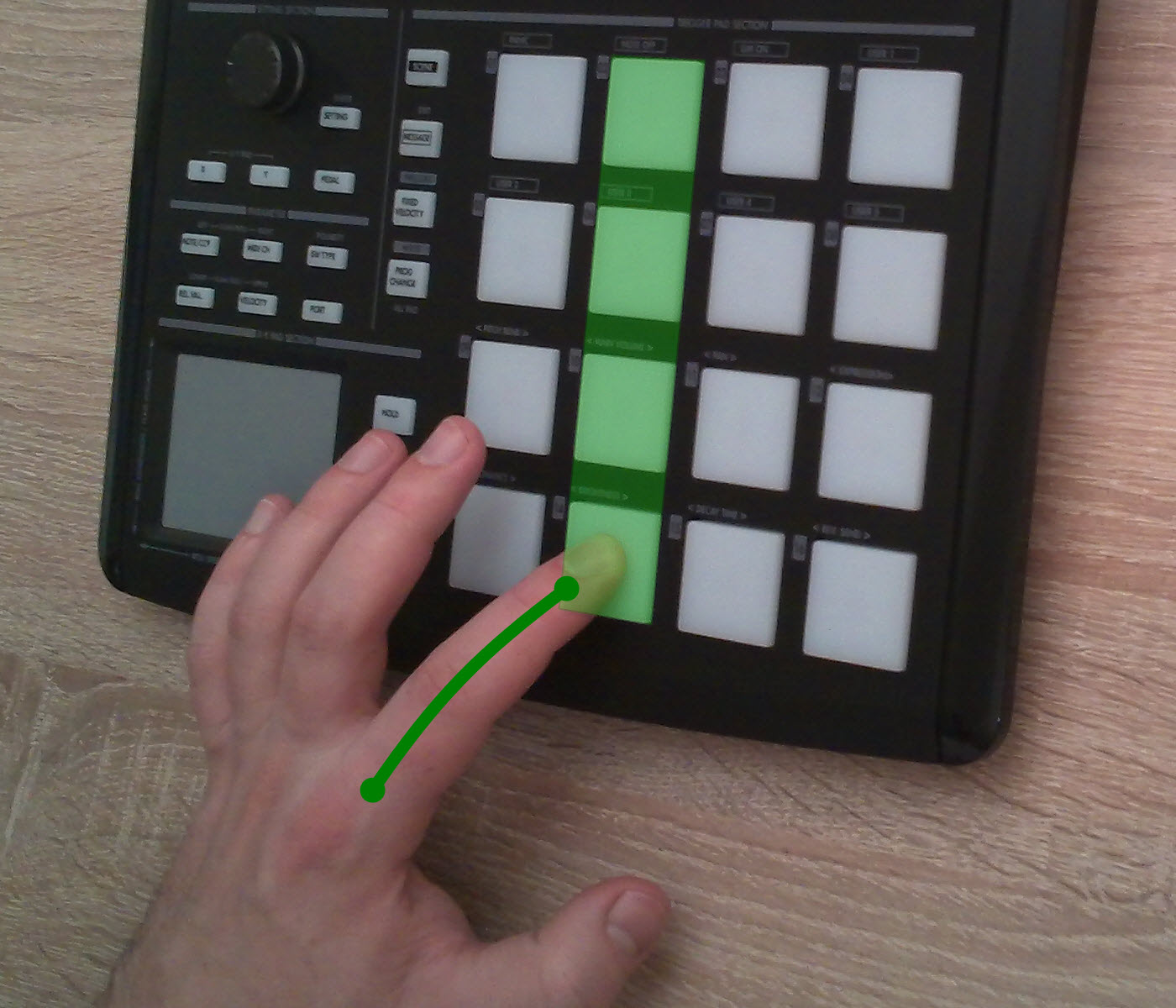
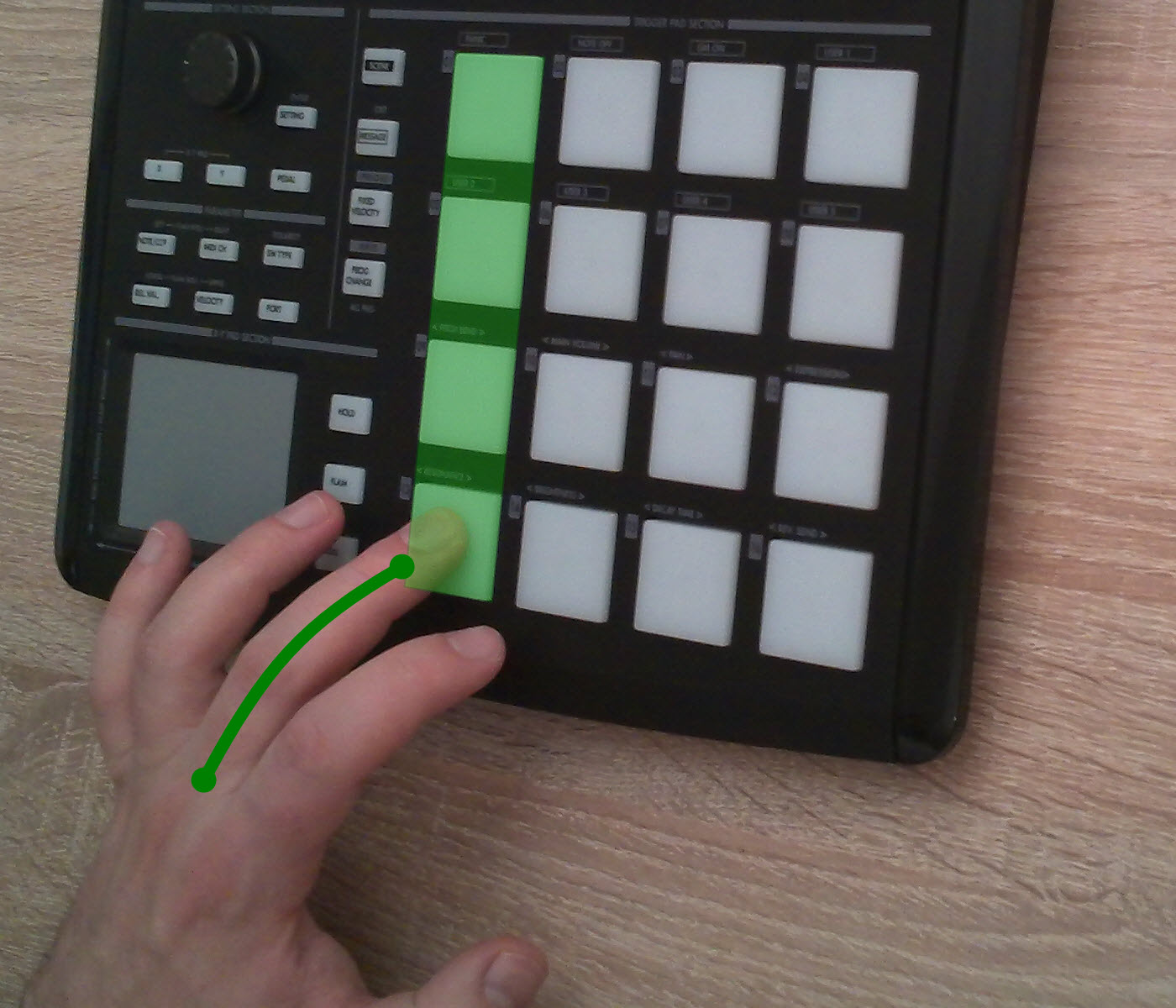
In our standard pad controller layout, we use the two lower horizontal pad rows for an arrangement of bass drum, snare drum, and closed and open hi-hat sounds. These kit pieces make or break the pulse of our beats, no matter what musical styles we play. They are the essentials – the fundamental rhythm section. That's why the two lower horizontal pad row arrangements must be consistent throughout all the standard applications we use when we play grooves. We need them as a reference point on which we can always rely.
The two upper horizontal pad rows will be used for less important groove elements. In our standard pad controller setup, this will be two toms and two cymbals — elements that you can customize if you want to use specific alternative setups in the future.
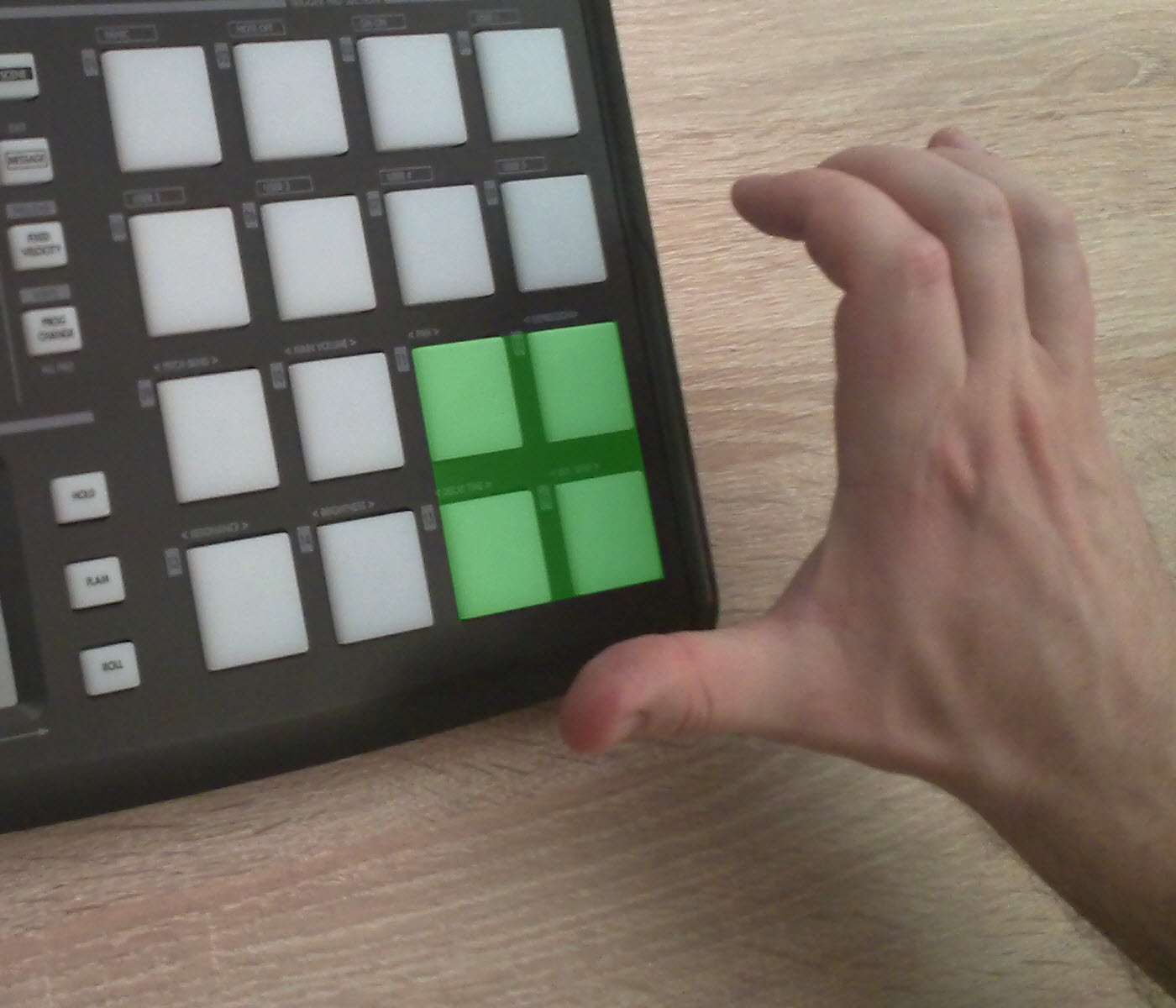
The thumb can be used more freely. The right thumb can hit any of the four pads in the lower right pad corner. The same thing applies to the left-hand side for the left thumb.
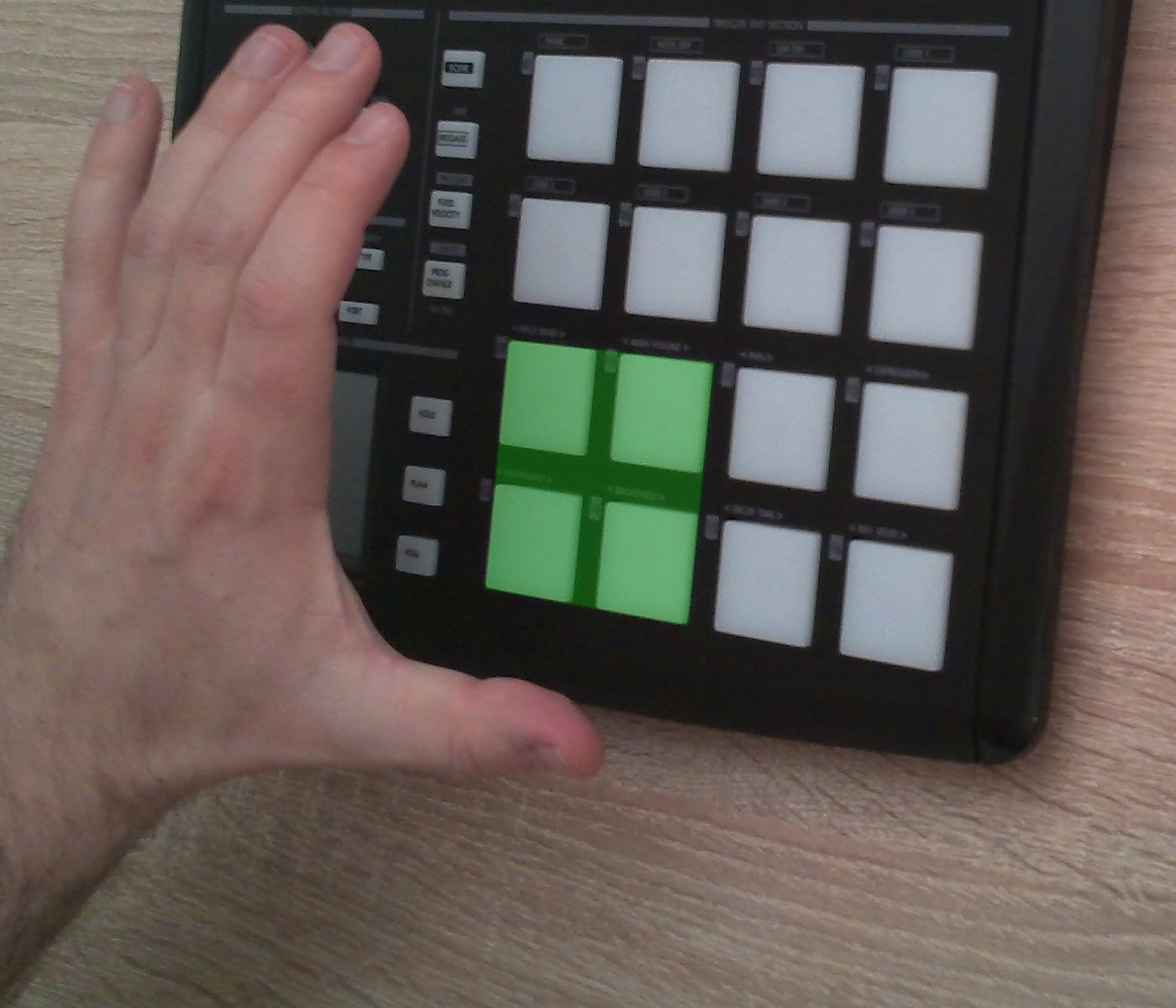
You will always play with an alternating motion of the hands. It is always right-left-right-left (or left-right-left-right for left-handed people). Any intentional breaking of this rule that you will learn throughout the course will lead back into the alternating hands motion.